



Australia entered the second half of 2026 with a mixed macroeconomic picture. Real GDP increased 0.4% quarter-on-quarter in Q2 2026 and was 2.1% higher than a year earlier. Yet the ABS described growth as subdued, with cautious households and imports making a meaningful contribution to the result.
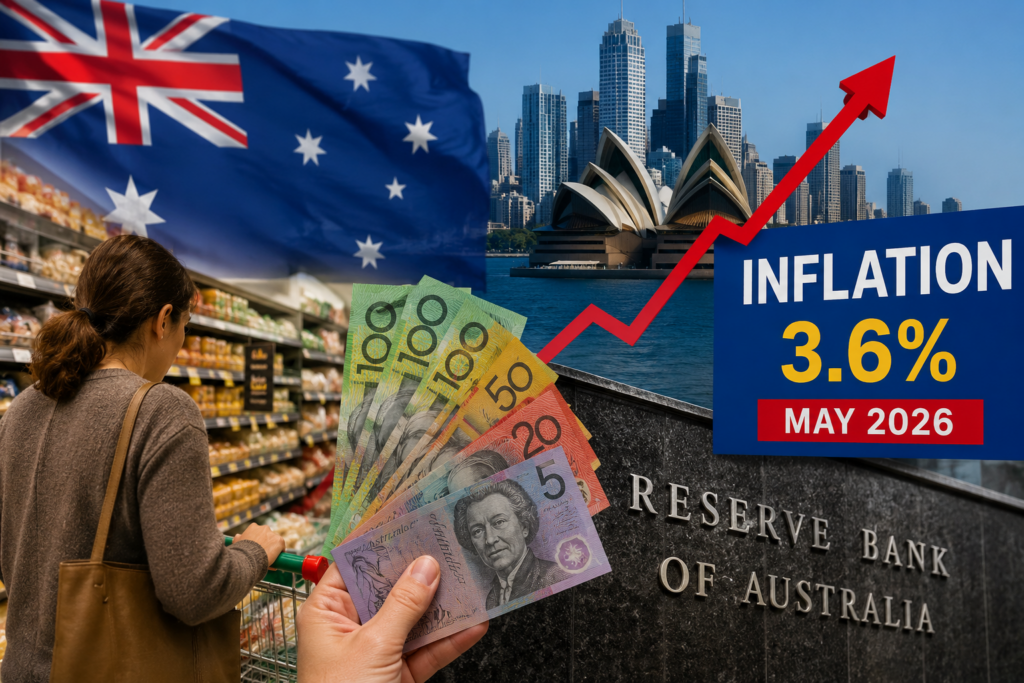
Inflation remains the central policy challenge. July 2026 CPI inflation was 3.5% year-on-year, while trimmed-mean inflation was 3.6%. Housing inflation was 5.0%, illustrating why the cost-of-living problem remains persistent even as headline inflation has moderated.
The policy dilemma is straightforward but difficult: easing financial conditions too quickly could revive demand before supply capacity has fully adjusted, while keeping financing conditions tight for too long could weaken housing, business investment and smaller firms.
AI infrastructure adds another layer. Data centres require land, electricity, construction capacity and network infrastructure. Investment therefore raises productive capacity over time but can also create short-term demand for scarce resources.
For Australia–Vietnam investors, this environment favours businesses linked to infrastructure, digital services, energy, logistics and manufacturing rather than highly leveraged businesses dependent on cheap capital.
The key indicators to monitor are underlying inflation, wages, interest rates, household consumption, energy costs and business investment.
PUBLICATION SOURCES
- ABS – Australian National Accounts, June 2026
- ABS – CPI, July 2026
- RBA – Statement on Monetary Policy, August 2026